The story of Racquetball in Germany

Racquetball first arrived in Germany in the early 1980s through the U.S. military. Following World War II, numerous U.S. military bases were established across West Germany, and many of them featured racquetball courts that regularly hosted tournaments. Germans living near the bases—or working with the military—were introduced to the sport and quickly developed an interest in it.
As racquetball’s popularity grew in the United States during the 1980s, Germany opened its first 11 public courts in Hamburg in 1980. The city would later host the 1988 IRF World Championships, marking a significant milestone in the country’s racquetball history. Additional public courts were built in cities such as Munich and Erlangen, and by the end of the decade, Germany had approximately 300 racquetball courts, most of them located on U.S. military installations.
Following the end of the Cold War in the 1990s, many American troops left Germany, military bases were closed, and with them, many racquetball courts disappeared. Today, racquetball remains a niche sport in Germany, but its legacy lives on. Public courts are still available in Hamburg and Worms, while racquetball courts can also be found on U.S. military bases in nine other cities, continuing the sport’s unique connection to its history in Germany.
💬 Info: Mike Mesecke
FB: https://www.facebook.com/european.racquetball

Inclusive Racquetball Takes a Major Step Forward in South Korea

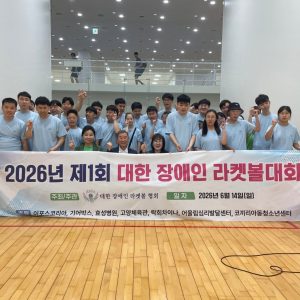
On June 14, 2026, a significant milestone for racquetball development was achieved in South Korea with the successful hosting of the country’s first Racquetball Tournament for Athletes with Disabilities. The event took place at the Ilsan Goyang Gymnasium Racquetball Courts and brought together athletes who demonstrated remarkable skill, determination, and passion for the sport.

The tournament marked an important step toward expanding participation opportunities and promoting greater inclusivity within the racquetball community. Competitors showcased their abilities throughout the event, highlighting the positive impact that accessible sporting opportunities can have on athletes and local communities.

The International Racquetball Federation congratulates all participants for their efforts and commitment. The IRF also recognizes the dedication of the organizers, officials, and volunteers who contributed to the success of this historic event.

Special appreciation goes to President of IRF adaptative players commettee Dr. Wangi Cho, Secretary General Kim Sung Suk, the president of Racquetball Asia Kim Soo Im, and the team whose support and hard work helped make the tournament possible.

As racquetball continues to grow around the world, initiatives such as this demonstrate the sport’s ability to bring people together and create opportunities for athletes of all abilities to compete, develop, and enjoy the game.

The IRF looks forward to seeing continued growth in inclusive racquetball programs and events throughout South Korea and beyond.